- Year groups
- KS1 to Upper KS2
- Time
- 45 min
- Group
- Whole class
- Type
- Choice and browsing
Why it works
Many children stick to what they know because they don't know what else is out there. A tasting menu lets them try books they would never pick up, with no pressure to finish, so choosing feels exciting rather than risky.
What you need
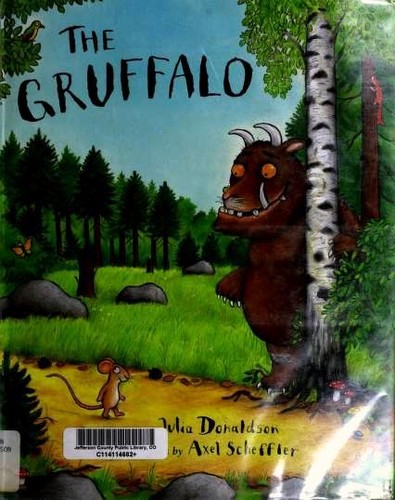
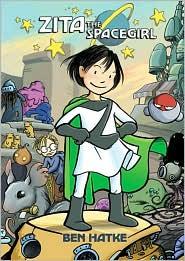
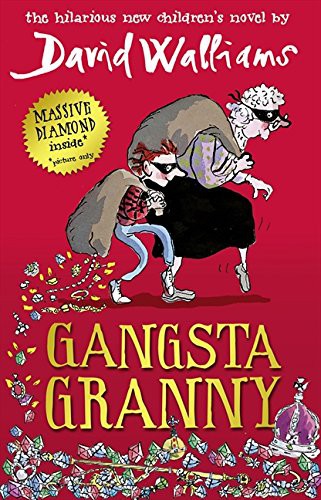
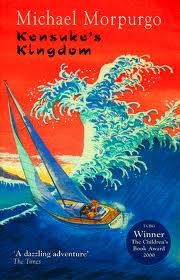
- 30 or more books across genres, formats and reading levels
- Tablecloths, and a menu card for each table
- A 'tasting notes' sheet for each pupil
- A timer or a bell
How to run it
- Set tables as café tables, each with a 'course' (for example funny stories, adventures, poetry, non-fiction, graphic novels).
- Welcome pupils as diners and explain they'll taste a few pages of each book, not read it all.
- Give five minutes per table: pupils read the blurb and first pages, then jot a quick rating on their tasting notes.
- Ring the bell and move tables round, so everyone tries at least four courses.
- Finish with 'dessert': each pupil chooses one book to borrow, and shares why in a sentence with their table.
Make it work for your class
- For younger readers, use picture books and let them rate with a smiley face instead of writing.
- For keen readers, add a 'chef's special' table of longer or more challenging books.
- Run it in the library or hall if your classroom is small, and invite another class to share it.